- Swim Teach Home
- Swimming Lesson Plans
Swimming Lesson Plans for Every Level and Stroke
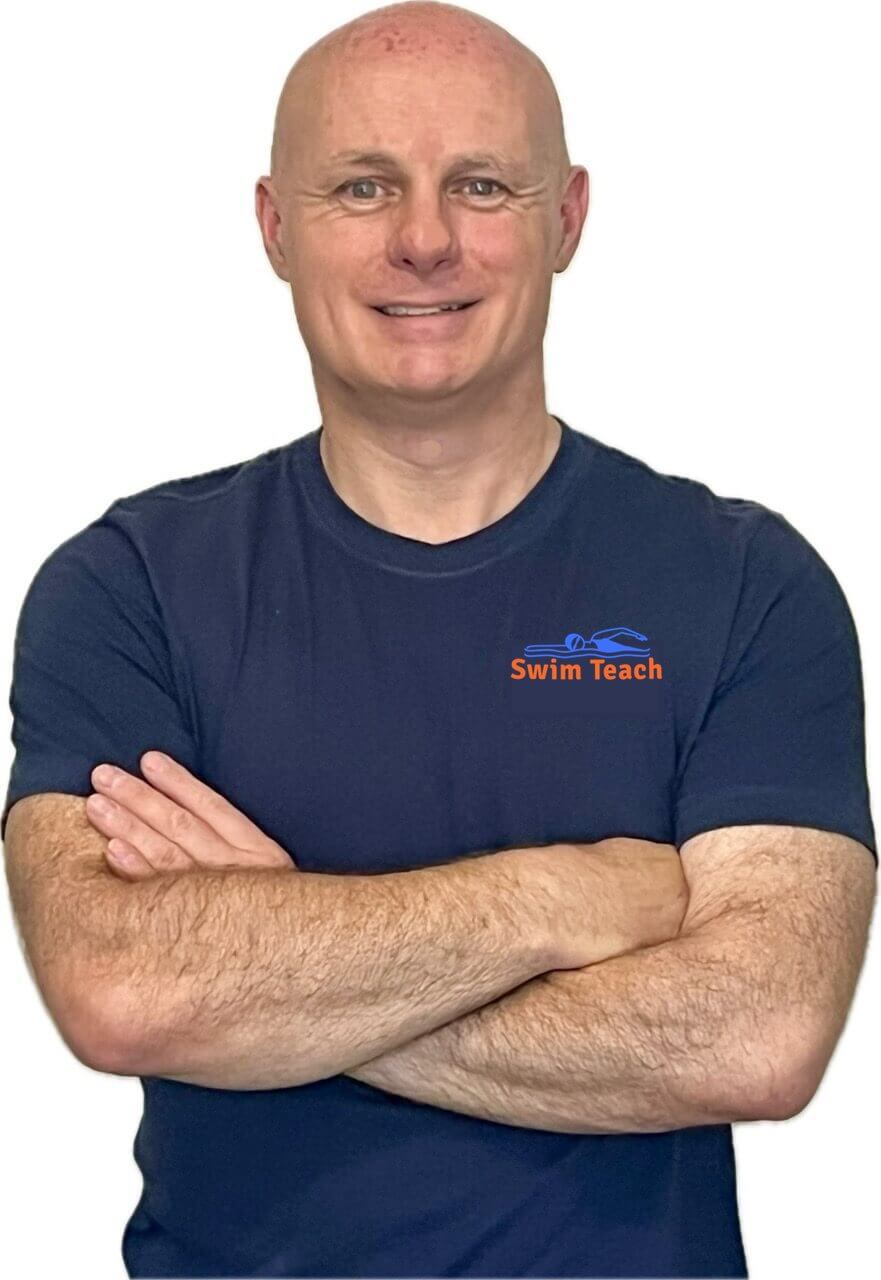
By Mark Young
You’ve got swimmers on the wall, a 30-minute slot, and no time to build a session from scratch. I’ve been there more times than I can count, and it’s exactly why I started writing my lessons down.
This page brings every lesson plan I’ve written together in one place. If you want to see how I lay out a lesson first, start with the free plans and template. Then choose plans by level or by stroke.
Every plan takes you from entry to exit, with clear teaching points you can call out across a noisy pool. Each one has an assessment sheet too, so you can see at a glance who’s ready to move on.
Start here: free swimming lesson plans and a template
If you’re new to planning, or you’d like to see how my plans work before you buy anything, these are free:
5 free sample swimming lesson plans: five complete beginner lessons, ready to print.
Free blank lesson plan template: the same layout I use, ready for your own sessions.
Stage 1 lesson plans and Stage 2 lesson plans: each page comes with a free plan and a progress checklist.
You’ll find everything else I give away, including the swimming games and the new teachers’ pack, on my free swimming teacher resources page.
Swimming lesson plans by level
Different swimmers need different starting points. A nervous four-year-old and a confident ten-year-old might both be “beginners”, but they won’t thank you for the same lesson.
Complete beginners, first lessons: my Stage 1 lesson plans cover getting in safely, splashing, blowing bubbles and those first floats with support.
Beginners ready to come off floats: my Stage 2 lesson plans build gliding, kicking and the first few unaided strokes.
Beginner classes in general: my swimming lesson plans for beginners take a class from the poolside to swimming short distances.
Adults learning to swim: my adult swim lesson plans. Adults usually need more explanation, more reassurance and a slower start than children, and the plans are written with that in mind.
Using a different programme, such as Red Cross, AUSTSWIM or STA? The skills are much the same wherever you teach. Match the plan to what your swimmers can do now, not to the name of the badge.
What should a 30-minute swimming lesson plan include?
A good 30-minute plan has one clear aim, and everything in it should help your swimmers reach that aim. If an activity doesn’t, it’s filling time. Here’s roughly how I split the half hour:
Entry and warm-up (about 5 minutes): get them in safely and moving, usually with something they already know.
Main teaching (about 15 to 18 minutes): two or three practices that build towards the aim, with one or two teaching points each. No more, or they won’t remember any of them.
Contrasting activity or game (about 5 minutes): something different that still uses the skill. This is where the fun goes.
Finish and exit (about 2 minutes): one last go at the full skill so you can see what’s improved, then a safe exit.
Keep your teaching points short enough to shout across a busy pool. I go into much more detail on my 30-minute swim lesson plan page.
 A page from one of my plans. Every plan follows the same simple layout.
Swimming lesson plans for each stroke
When your swimmers can manage a width or two, the focus shifts to technique. Each stroke pack has 18 plans, split into beginner, intermediate and advanced, so your swimmers keep moving forward.
The plans cover body position, legs, arms, breathing and timing. You don’t have to work through them in that order: start with whichever part is holding your swimmer back most. Every plan has its own assessment sheet.
All 72 stroke plans are also included in my 101 Swimming Lesson Plans book.
Front crawl lesson plans

The plans start with the full stroke, then work on each part in turn, building a flat, streamlined body position and a relaxed, rhythmic stroke. The breathing plans are the ones teachers tell me they use most.
Breaststroke lesson plans

Breaststroke is where timing makes or breaks the stroke. These plans build an efficient body position and a strong, legal kick, then fit the arms and breathing around them so the stroke feels smooth instead of a struggle.
Backstroke lesson plans

Most swimmers’ backstroke problems start with sinking hips and a head that won’t stay still. The beginner plans fix that foundation first, then the intermediate and advanced plans fine-tune the arms, kick and rhythm.
Butterfly lesson plans

Butterfly is the stroke many teachers dread teaching, but broken into small steps it’s far more manageable. The plans start with the wave-like body movement, then add the kick, arms, breathing and timing a little at a time, so your swimmers don’t wear themselves out.
Trusted by Swimming Teachers Worldwide
★★★★★
“These plans gave me a structure I could rely on. I now dip into them whenever I need fresh ideas.”
- Sarah T., Swim Instructor
★★★★★
“Perfect for new teachers. Clear progression and easy to adapt.”
- Mark D., Learn-to-Swim Coach
★★★★★
“I’ve used these for over a year and still find new ideas.”
- Lisa M., Swim School Owner
Swimming lesson plans: common questions
Are there free swimming lesson plans I can use?
Yes. My 5 free sample plans and the free blank template near the top of this page are a good place to start, and both Stage pages include a free plan.
Which lesson plans should I use for complete beginners?
Start with Stage 1. Move a swimmer on to Stage 2 once they’re happy putting their face in and floating with support.
Can I use these plans with my own learn-to-swim programme?
Yes. They’re built around skills, not badges, so they fit most programmes, wherever in the world you teach.
How long is each lesson?
Each plan is built for a 30-minute lesson, which is the most common slot. For a shorter or longer session, trim or add practices in the main teaching part.
Do the plans include assessment?
Every plan in my packs has its own assessment sheet, so you can track progress without adding to your paperwork.
Should I buy a single stroke pack or all 101 plans?
If you mostly teach one stroke, a single pack is enough. If you teach mixed classes, the 101 Swimming Lesson Plans book covers beginners, adults, all four strokes and survival skills, and works out much cheaper than buying the packs separately.

Need Fresh Lesson Ideas For Your Swimming Classes?
Here are 101 ready-made swimming lesson plans designed to help you walk onto the poolside with a clearer plan, more confidence, and less last-minute preparation.
- 101 complete lesson plans ready to use
- Covers different swimmer levels and abilities
- Instant PDF download for mobile, tablet, or desktop

 |
Thanks for checking out my website and all the information here about learning to swim and teaching swimming. I really hope you have found some inspiration and support. If you're as passionate about teaching swimming and learning to swim as I am, feel free to follow me on any of these channels: Cheers!  |
Thanks for checking out my website and all the information here about learning to swim and teaching swimming. I really hope you have found some inspiration and support.
If you're as passionate about teaching swimming and learning to swim as I am, feel free to follow me on any of these channels:
Cheers!
All Rights Reserved